The Essential Role of Professional Tree Removal Services in Landscape Health
Professional tree removal plays an essential role in sustaining landscape wellness. They aid in controlling dangers connected to compromised or diseased trees. These hazards may endanger both the surrounding area and the broader ecosystem. Additionally, trained arborists possess the necessary skills and equipment for safe removal. Grasping these components generates vital questions concerning the broader effects on safety and ecosystem sustainability. Which elements ought homeowners to evaluate before trying tree removal themselves?
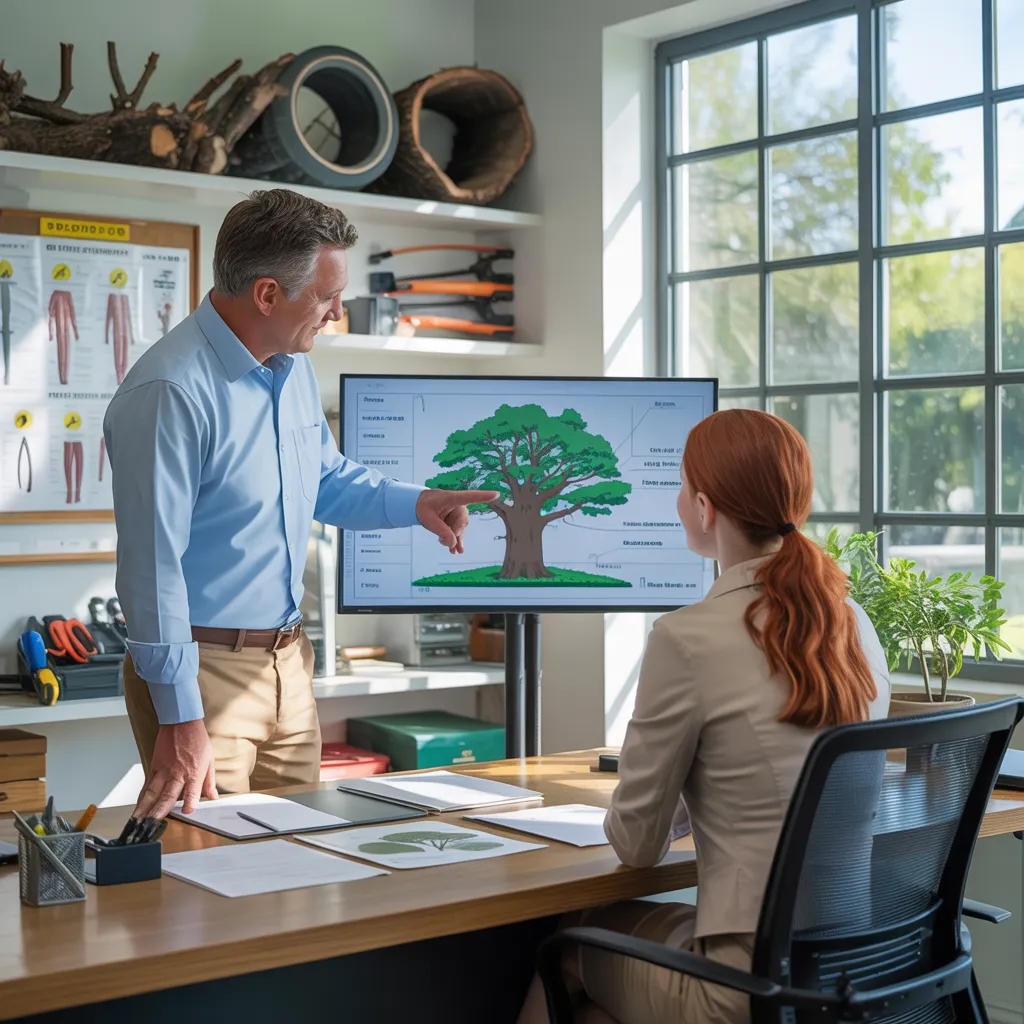
Grasping the Dangers of DIY Tree Removal
While the temptation of saving money may tempt homeowners to attempt DIY tree removal, they frequently underestimate the related risks. Many property owners lack the necessary training to determine the health and stability of a tree, which can bring about dangerous miscalculations. A tree's structural integrity can be illusory, and an untrained eye may fail to notice signs of weakness that could result in unexpected falls or limb breakage. Additionally, improper cutting techniques can cause the tree to fall uncontrollably, possibly damaging property or injuring bystanders.
In addition, a lot of homeowners are without the suitable equipment for safe removal, which increases the risk of accidents. The use of chainsaws and ladders without adequate knowledge can result in serious injuries. Lastly, the aftermath of tree removal can also present risks; fallen branches and debris call for careful handling to eliminate further hazards. Consequently, the potential dangers of DIY tree removal are greater than the perceived benefits.
Safety's Critical Role in Tree Removal
Safety stands as a primary consideration when it comes to tree removal, especially given the many hazards associated with the task. Professionals possessing the right tools and training can effectively minimize risks such as falling branches, equipment malfunctions, and potential injuries to bystanders. Trees can pose unforeseen dangers, including hidden decay or structural weakness that may cause unpredictable falls.
Moreover, the use of dedicated safety gear, such as helmets, harnesses, and goggles, is vital to protect workers during the removal process. Professionals are trained to evaluate the surrounding environment, making certain that power lines, buildings, and other structures are not damaged during the operation. Furthermore, observing local regulations and safety guidelines decreases the probability of accidents or legal issues. At the end of the day, emphasizing safety in tree removal not only shields personnel involved but also conserves the integrity of the landscape and surrounding community.
How Professional Tree Removal Benefits the Environment
When conducted by trained professionals, tree removal can yield significant environmental benefits that surpass immediate aesthetic improvement. One of the key advantages is the strengthened health of the surrounding ecosystem. Removing decaying or unhealthy trees inhibits the spread of pests and pathogens, securing nearby flora. In addition, professional tree removal often includes responsible disposal methods, such as converting wood into mulch or timber, consequently minimizing waste and encouraging sustainability.
In addition, the extraction of congested or inadequately placed trees can boost sunlight penetration and air circulation, promoting a healthier growth environment for leftover plants. This, in turn, can strengthen biodiversity by allowing a wider variety of species to thrive. Finally, professional services often utilize replanting strategies, ensuring that the ecological balance is preserved and that new trees can absorb carbon dioxide, helping create a better atmosphere. In general, the environmental merits of professional tree removal are vital for encouraging and sustaining landscape health.
Protecting the Vitality of Surrounding Greenery
Maintaining the health of nearby vegetation is essential in the context of tree removal services. Properly managing tree removal can avoid the spread of diseases, enhance soil nutrients, and promote the healthy growth of remaining plants. These considerations ensure that the ecosystem remains balanced and thriving after a tree has been removed.
Halting Infection Distribution
To copyright the health of nearby vegetation, it is critical to avoid the spread of diseases that can impact trees. When trees grow infected, pathogens can quickly transfer to surrounding plants, causing widespread problems within the landscape. Professional tree removal services fulfill a vital purpose in recognizing and eliminating diseased trees before they pose a threat to their healthy counterparts. By quickly removing infected specimens, these services help manage the outbreak, thereby protecting the overall vitality of the ecosystem. Furthermore, trained professionals can assess the health of adjacent vegetation, ensuring that potential disease vectors are dealt with. This proactive approach not only protects the aesthetic appeal of the landscape but also fosters the long-term health of all plant life in the region.
Enhancing Earth Nutrient Content
While maintaining healthy soil is essential for supporting robust vegetation, enhancing soil nutrients often requires specialized knowledge and techniques. Professional tree removal services play a crucial role in this process. By carefully eliminating dead or dying trees, they halt nutrient exhaustion stemming from competing demands for resources. Additionally, these specialists comprehend the distinct soil characteristics and nutritional needs of different plant varieties. They are able to suggest and apply soil enhancements, like compost materials or nutrient supplements, tailored to the specific needs of the landscape. Additionally, tree removal professionals regularly advocate correct mulching and composting techniques, which foster nutrient-abundant soil conditions. Ultimately, enhancing soil nutrients through professional intervention preserves the health of surrounding vegetation, ensuring a thriving ecosystem.
Supporting Wholesome Advancement
Healthy soil not only supports nutrient-rich growth but also plays a significant role in the overall health of surrounding vegetation. When trees become overgrown or diseased, they can compete with nearby plants for essential resources such as nutrients, sunlight, and water. Professional tree removal services help resolve these concerns by carefully examining and extracting trees that threaten the health of the landscape. This process not only optimizes the growing conditions for remaining plants but also fosters a more balanced ecosystem. Additionally, by removing dead or dying trees, professionals minimize the risk of pests and diseases spreading to healthier plants. In turn, this fosters a thriving environment where all vegetation can flourish, securing the long-term health of the landscape.
Understanding the Role of Equipment and Expertise in Tree Removal Success
Effective find out more tree removal relies heavily on the combination of specialized equipment and professional expertise. Trained arborists use a variety of tools, including chainsaws, stump grinders, and aerial lifts, to provide safe and efficient removal of trees. Each piece of equipment serves a specific purpose, enabling arborists to address unique challenges presented by the tree's size, location, and condition.
Proficiency in tree biology and structural integrity is equally important. Trained professionals evaluate the tree's health, identifying potential hazards such as disease or instability. This knowledge informs the removal process, confirming that it is executed safely and with minimal impact on surrounding vegetation and property.
Additionally, skilled arborists are adept at organizing the removal process, evaluating environmental factors and the potential for debris management. The incorporation of modern equipment and specialized knowledge not only enhances safety but also fosters a more effective and responsible approach to tree removal.
Enhancing the Visual Appeal of Your Landscape
Boosting the beauty of a landscape necessitates careful consideration of design elements, plant selection, and maintenance practices. Qualified tree removal services perform an essential role in this process by ensuring that trees are properly placed to complement the overall design. By clearing away diseased or overgrown trees, these services create space for new plants and improve light availability, allowing for a more flourishing garden.
Strategic tree removal can enhance sightlines and create focal points, converting an ordinary yard into a visually stunning environment. Additionally, professionals can evaluate which trees may pose hazards or disrupt harmony, providing safety as well as beauty.
Incorporating seasonal color and varied textures through careful tree and plant selections adds depth to the landscape. In the end, professional tree removal services not only enhance visual appeal but also support healthier ecosystems, resulting in a landscape that is both appealing and sustainable.
FAQ
How Can I Select a Reputable Tree Removal Service?
To choose a credible tree removal service, you should examine local companies, review customer feedback, confirm credentials, obtain multiple quotes, and verify their insurance coverage. This secures a secure and professional experience for your tree service needs.
What Are the Prices for Professional Tree Removal?
Prices linked to professional tree removal vary widely, generally spanning from $200 to $2,000. Considerations determining pricing include tree size, location, accessibility, and possible dangers, as well as the difficulty level of the removal process.
Are There Season-Specific Factors for Tree Removal?
Seasonal aspects for tree removal include managing dead or diseased trees in late winter or early spring, avoiding nesting seasons for birds in spring, and guaranteeing safety during potential storms in autumn. Timing greatly impacts effectiveness.
What Certifications Should Tree Removal Professionals Have?
Tree care professionals should possess certifications such as ISA Certified Arborist, Tree Care Industry Association (TCIA) accreditation, and state-mandated licensing. These credentials ensure compliance with safety standards and industry best practices for successful tree removal and management.
How Do I Prepare My Yard for Tree Removal?
Setting up a yard for tree removal involves removing the area of debris, flagging utility lines, protecting pets, and providing safe access for equipment. Property owners should speak with the removal team about any hazards and expectations.